Peripheral Arterial Disease
- Home
- Peripheral Arterial Disease
Peripheral Arterial Disease (PAD) Treatment
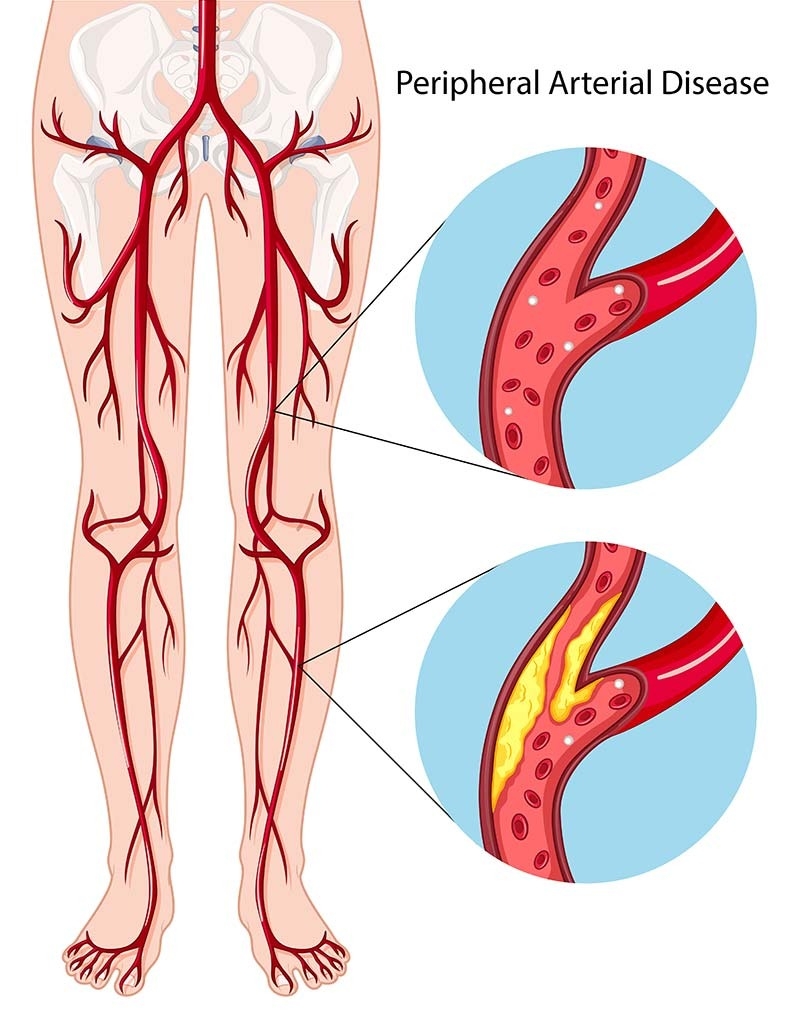
Peripheral Arterial Disease (PAD) occurs when arteries in the legs or arms become narrowed or blocked due to plaque buildup, reducing blood flow. It commonly causes leg pain when walking (claudication), numbness, or slow-healing wounds. Early detection and treatment are critical to prevent complications like limb loss or cardiovascular problems.
Why Choose Our Peripheral Arterial Disease Treatment
- Expert Vascular Specialists with years of experience
- Advanced diagnostic and imaging facilities
- Minimally invasive procedures and modern treatment methods
- Comprehensive care from diagnosis to recovery
- Patient-centric, compassionate approach to healthcare
Our Approach Peripheral Arterial Disease?

Accurate Diagnosis
We use non-invasive tests like Ankle-Brachial Index (ABI), Doppler ultrasound, and angiography to assess the extent of the blockage.
Personalized Treatment Plans
Each patient receives a treatment plan tailored to their specific condition and lifestyle.
Medical Management
We manage PAD through medications to reduce blood clot risk, lower cholesterol, and improve circulation.
Minimally Invasive Procedures
We offer angioplasty, stent placement, and atherectomy to open narrowed arteries with minimal discomfort and recovery time.
Lifestyle & Rehabilitation Support
Our experts help with smoking cessation, diet plans, supervised exercise therapy, and regular follow-up care.
Ready to Book Your Appointment?
Contact us today to schedule your visit and take the first step toward a healthier smile.
